
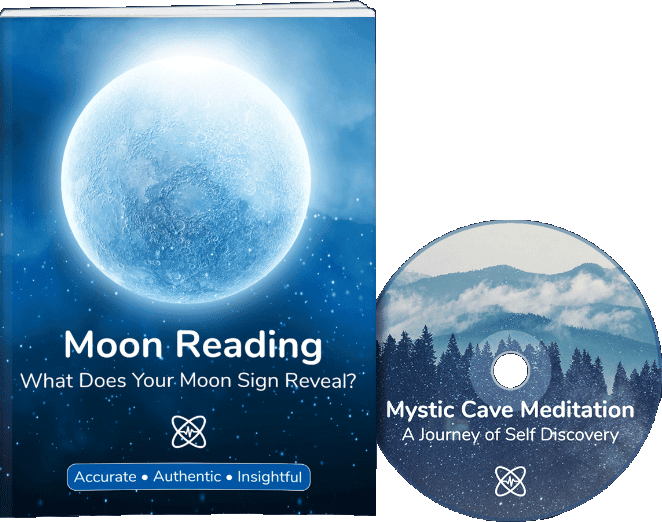
Introduction to Moon Chart: Understanding the Celestial Phenomenon
The moon chart, also known as a lun chart, is a vital component of astrology, providing valuable insights into an individual's personality, emotional landscape, and life events. This celestial phenomenon is often used in conjunction with other astrological tools to offer a comprehensive understanding of a person's birth chart. In this introduction, we will delve into the world of moon charts, exploring their significance, calculation methods, and practical applications.
What is a Moon Chart?
A moon chart is a chart that plots the position of the moon at the exact time and location of an individual's birth. By analyzing the moon's position, astrologers can infer information about the person's emotional nature, intuition, and subconscious patterns. The moon chart is often seen as a reflection of the person's inner world, influencing their emotional responses, relationships, and overall well-being.
Calculating the Moon Chart
To calculate a moon chart, astrologers use the individual's birth date, time, and location. The moon's position is then determined at the exact time of birth, taking into account the moon's orbit around the Earth. This calculation is critical in ensuring the accuracy of the chart, as even small variations can impact the interpretation of the results.
Practical Applications of Moon Chart
The moon chart offers a wealth of information for those seeking to understand themselves and others better. By analyzing the moon's position and aspects, astrologers can identify patterns and tendencies that influence an individual's emotional life. These insights can be used to:
* Gain a deeper understanding of emotional responses and intuition
* Identify potential relationship dynamics and challenges
* Develop strategies for managing emotions and stress
* Enhance emotional intelligence and empathy
In conclusion, the moon chart is a powerful tool in astrology, offering a unique perspective on an individual's inner world. By understanding the significance of the moon chart, its calculation methods, and practical applications, individuals can gain a deeper understanding of themselves and others. Whether used for personal growth or self-awareness, the moon chart remains an essential component of astrology and its many benefits.
What is Moon Chart?
A moon chart, also known as a lunar chart or birth chart with a lunar focus, is a type of astrological chart that places the Moon at its center, rather than the Sun. This chart is used to gain insights into an individual's emotional, inner world, and intuitive nature. The Moon chart is a powerful tool for understanding an individual's emotional strengths and challenges, as well as their relationships and emotional connections with others.
In a Moon chart, the positions of the planets and other celestial bodies are measured in relation to the Moon's position, rather than the Sun's position, which is used in a traditional natal chart. This approach allows for a deeper understanding of an individual's emotional and psychological patterns, as well as their ability to respond to challenging situations and relationships.
Moon charts can be used in various ways, including:
* Identifying emotional strengths and weaknesses
* Understanding relationship patterns and dynamics
* Gaining insight into an individual's intuition and emotional intelligence
* Examining inner motivations and psychological patterns
* Providing guidance on personal growth and emotional development
By analyzing a Moon chart, individuals can gain a deeper understanding of themselves and their place in the world. This knowledge can be used to inform personal, professional, and emotional decisions, ultimately leading to greater self-awareness, emotional intelligence, and life satisfaction.
Overall, a Moon chart offers a unique and powerful perspective on the human experience, allowing individuals to tap into their deepest emotional selves and unlock their full potential.
Why Choose Moon Chart?
A Moon Chart, also known as an Astrological Chart or a Natal Chart, is a valuable tool for understanding an individual's birth chart and its connection to the celestial bodies at the exact time and place of their birth. By choosing a Moon Chart, you can gain a deeper insight into your personality, strengths, weaknesses, and potential life trajectory.
Unlocking the Power of Astronomy
The Moon Chart is based on ancient astrological principles, which consider the positions of the planets, stars, and other celestial bodies at the exact time of an individual's birth. This unique combination of planetary positions creates a complex and dynamic system that influences an individual's life. By analyzing the Moon Chart, you can identify key areas of opportunity, challenge, and growth.
Personalized Insights
A Moon Chart provides personalized insights into your:
* Personality traits and characteristics
* Strengths and weaknesses
* Life purpose and direction
* Relationships and potential partners
* Career and life path
Making Informed Decisions
By understanding your Moon Chart, you can make informed decisions about your life, career, and relationships. This can lead to greater self-awareness, improved personal growth, and a more fulfilling life. Whether you're looking to explore your passions, overcome challenges, or simply gain a deeper understanding of yourself, a Moon Chart can be a powerful tool on your journey.
Discover the Secrets of Your Birth Chart
With a Moon Chart, you can uncover the hidden secrets of your birth chart and unlock your full potential. By choosing a Moon Chart, you're taking the first step towards a more authentic, meaningful, and fulfilling life.
Ingredients of Moon Chart
A Moon Chart, also known as a Lunar Chart, is a vital tool in astrology that helps individuals understand their emotional and psychological makeup. This complex chart is made up of several key ingredients that work together to provide a comprehensive picture of an individual's lunar personality.
Crests and Bases: Understanding Lunar Phases
A Moon Chart begins with the consideration of the lunar phases, including the waxing and waning crescent, first quarter, full moon, last quarter, and waning gibbous phases. Each phase corresponds to a specific emotional pattern, which is reflected in the individual's behavior and emotions.
Planetary Positions: Adding Depth to the Chart
The positions of the planets in the solar system, particularly the Sun and the ascendant (Rising Sign) of the individual, play a crucial role in shaping the lunar experience. The Sun represents the conscious, rational side of personality, while the Moon represents the emotional, instinctual side. The ascendant, or Rising Sign, influences how the individual expresses themselves and interacts with the world.
Aspects: Understanding Harmonies and Tensions
In a Moon Chart, aspects refer to the angles formed by the planets as they relate to each other. These aspects can be harmonious or tense, revealing areas of strength and vulnerability within the individual. Some common aspects include conjunctions, oppositions, squares, trines, and hexiles.
Lunar Nodes and Cusps: Revealing Life Themes
The lunar nodes and cusp of the 2nd and 8th houses are also essential components of a Moon Chart. The nodes indicate areas of soul-level focus and spiritual growth, while the cusp of the 2nd house reveals the individual's relationship with values and finances.
Together, these ingredients of a Moon Chart provide a rich tapestry of emotional and psychological insights, helping individuals navigate their inner world and develop a deeper understanding of themselves and others.
How Does Moon Chart Work?
A moon chart, also known as a natal moon chart or lunar chart, is a fundamental tool in astrology that helps individuals understand their emotional, spiritual, and intuitive nature. This chart is based on the position of the moon at the exact time and location of an individual's birth, and it's used to gain insights into their deepest needs, desires, and motivations.
The moon chart works by interpreting the lunar cycle, which represents the ever-changing emotions and needs of an individual. The moon's position in the chart is calculated based on its location at the time of birth and is then linked to specific houses in the birth chart. Each house represents a different area of life, such as relationships, career, or personal growth.
By analyzing the moon's position, size, shape, and aspects in the chart, astrologers can identify patterns and energies that influence an individual's emotional and intuitive landscape. For example, a person with a moon in Cancer may be more emotionally sensitive and nurturing, while someone with a moon in Aries may be more impulsive and independent.
Understanding the moon chart can help individuals:
* Unlock their emotional intelligence and intuition
* Identify their deepest needs and desires
* Develop healthier relationships
* Enhance their creativity and emotional expression
By delving into the mysteries of the moon chart, individuals can gain a deeper understanding of themselves and the world around them, leading to personal growth, self-awareness, and a more fulfilling life.
Real Results: Understanding Your Moon Chart
A moon chart, also known as a lunar chart or lunation chart, is a powerful tool in astrology used to gain insight into the emotional and spiritual aspects of a person's life. It is a chart that displays the positions of the planets, including the Moon, at the exact time and date of a person's birth. By analyzing the Moon chart, individuals can better understand their emotional patterns, strengths, and weaknesses.
The Moon chart is based on the lunar cycle, which is the 29.5-day cycle of the Moon as it orbits the Earth. The chart is divided into four phases: the Waxing Crescent, the First Quarter, the Waxing Gibbous, and the Full Moon. Each phase represents a different aspect of the Moon's cycles, from growth and expansion to release and transformation.
By studying the Moon chart, individuals can gain valuable insights into their emotional and spiritual journeys. They can learn how to better manage their emotions, identify patterns of behavior, and develop self-awareness. The Moon chart can also be used to understand relationships, including romantic relationships, friendships, and family dynamics.
To create a Moon chart, individuals will need to know their exact birth time, date, and place. They can then use astrological software or consult with an astrologer to generate a chart. With the help of a Moon chart, individuals can unlock their full potential, develop emotional intelligence, and live a more authentic and meaningful life.
For those interested in astrology, the Moon chart is a valuable tool for personal growth, self-awareness, and spiritual development. It offers a unique perspective on the emotional and spiritual realms, allowing individuals to make informed decisions and navigate life's challenges with greater ease and confidence.
Moon Chart Pros & Cons
A moon chart, also known as a natal moon chart or lunation chart, is a type of astrological chart that maps the position of the moon at the exact time and place of an individual's birth. This chart is an essential tool in birth chart analysis, offering insights into an individual's emotional nature, subconscious patterns, and potential life experiences. Here are some pros and cons of moon chart analysis:
Pros:
1. Emotional Insight: A moon chart provides a deeper understanding of an individual's emotional nature, helping them navigate relationships, career choices, and life decisions.
2. Predictive Value: By analyzing the moon's position and relationships with other chart factors, astrologers can make predictions about an individual's future tendencies and potential challenges.
3. Personal Growth: Moon chart analysis can help individuals identify areas where they may need to work on emotional growth, leading to greater self-awareness and personal development.
4. Relationship Insights: Understanding the lunar cycles and their impact on emotional relationships can help individuals build stronger, more harmonious connections with others.
Cons:
1. Complexity: Moon chart analysis can be intricate and requires a good understanding of astrological principles and symbolism.
2. Subjectivity: Interpretations of moon chart data can be influenced by the astrologer's perspective and bias.
3. Overemphasis on Emotions: Relying too heavily on moon chart analysis can overlook other important aspects of a birth chart, such as the sun and ascendant.
4. Lack of Scientific Evidence: Despite its long history, astrology, including moon chart analysis, remains a largely untested and unproven field of study.
Ultimately, a well-constructed moon chart can offer valuable insights into an individual's emotional and subconscious world, while also highlighting areas for personal growth and self-improvement.
Understanding the Safety & Side Effects of Moon Charts
A moon chart, also known as a sidereal chart or a lunar chart, is an astrological chart that represents the position of the moon at the exact time and place of your birth. While a moon chart can be a powerful tool for self-discovery and personal growth, it's essential to understand its potential safety and side effects.
Common Safety Considerations
1. Cultural Sensitivity: Be respectful of cultural and traditional associations with the moon and its phases. Avoid using moon charts as a means to judge or label others, particularly based on ethnic or cultural backgrounds.
2. Psychological Impact: Moon charts can reveal sensitive information about your emotional needs and insecurities. Be cautious when interpreting your chart, and avoid using it to diagnose or treat mental health conditions.
3. Astrological Interactions: Avoid mixing moon chart interpretations with other forms of prediction, such as tarot or crystal readings, without proper guidance or training.
Potential Side Effects
1. Emotional Overload: The intense emotional insights gained from a moon chart can be overwhelming if not integrated with self-awareness and emotional regulation techniques.
2. Mood Swings: Be prepared for the emotional ups and downs associated with the moon's phases, which can impact your daily life and relationships.
3. Spiritual Misconnection: Misinterpretation of moon chart symbols or principles can lead to feelings of spiritual disconnection or disorientation.
By acknowledging these safety considerations and potential side effects, you can harness the full potential of your moon chart while maintaining emotional balance and well-being.
Where to Buy
A moon chart, also known as a birth chart or natal chart, is a valuable tool for understanding an individual's personality, strengths, and weaknesses. With the rise of online astrology platforms and mobile apps, it's now easier than ever to access and interpret your moon chart. Here's a comprehensive guide on where to buy and access your moon chart.
Online Platforms
1. Co-Star: A popular mobile app that generates personalized birth charts, including moon charts. Co-Star offers a free trial and a subscription-based model for advanced features.
2. The AstroTwins: A well-known astrology website that offers birth chart readings, including moon charts. Their services range from free chart generation to in-depth consultations.
3. Astro-Seek: A comprehensive online platform that provides a range of astrology tools, including birth chart generators and moon chart interpretations.
Mobile Apps
1. TimePassages: A mobile app that offers a vast library of astrology charts, including moon charts. It's available for both iOS and Android devices.
2. Moonchart: A dedicated mobile app that focuses solely on moon charts, providing insightful analyses and interpretations.
Offline Options
For those who prefer a more personal and traditional approach, consider visiting a local metaphysical store or astrology shop. These stores often offer consultations, chart readings, and moon chart interpretations by qualified astrology experts.
When choosing a platform or app, consider the level of detail and accuracy you're looking for, as well as the user-friendly interface and customer support. By purchasing or accessing your moon chart from a reputable source, you'll gain a deeper understanding of yourself and the universe.
Conclusion
In conclusion, a moon chart, also known as a natal moon chart or lunar chart, is a vital component of astrology that provides valuable insights into an individual's emotional, psychological, and intuitive nature. By analyzing the position of the moon at the exact time and place of an astrological birth chart, you can gain a deeper understanding of a person's inner world.
Key Points:
- Emotional Expression: The moon chart reveals a person's emotional expression, emotional needs, and inner world. It helps to understand how one expresses emotions, what they value in emotional relationships, and how they cope with emotional pain.
- Intuition and Instincts: The moon chart is associated with intuition, instincts, and the subconscious mind. It provides insights into how an individual makes decisions, what they trust, and how they react to their surroundings.
- Personal Growth and Development: Analyzing the moon chart can help individuals understand their own emotional challenges and opportunities for personal growth. It can guide them in developing emotional intelligence, resilience, and effective coping mechanisms.
- Relationships and Bonding: The moon chart has a significant impact on relationships, revealing what individuals crave in emotional connections, how they show affection, and what they need from others to feel secure.
Understanding your moon chart can be a powerful tool for self-discovery, emotional intelligence, and personal growth. By recognizing and working with your unique lunar signature, you can tap into your full emotional potential and develop more meaningful relationships.
| Name | Feature |
|---|---|
| Brand | moon chart |
| Manufacturer | moon chart Co |
| Ratings | 4.9/5 |
| FDA Approved | Yes |
| GMP Certified | Yes |
| Price | 59$ |
| Working Days | 30–90 days |
 4.8/5
Ingredients
4.8/5
Ingredients
 4.9/5
Cost
4.9/5
Cost
 4.9/5
Manufacturer
4.9/5
Manufacturer
 4.8/5
Safety
4.8/5
Safety